
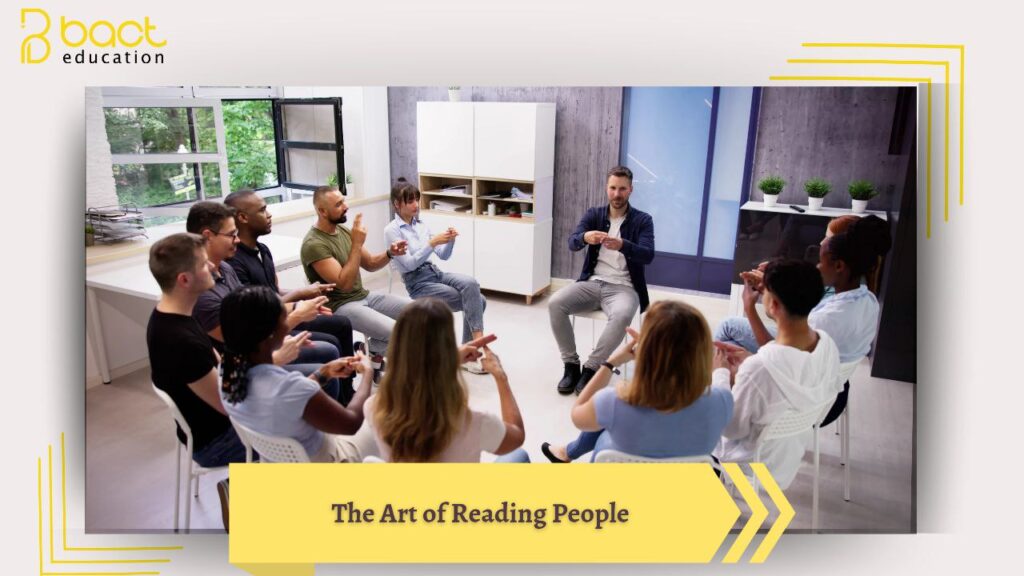
– A Guide to Understanding Who’s in Front of You**
In our daily interactions, whether in a business meeting, a social gathering, or a first date, the ability to accurately “read” the person in front of you is an invaluable skill. It’s not about manipulation, but about fostering better communication, building rapport, and understanding unspoken messages. This art combines observation, active listening, and emotional intelligence.
#### **1. Master Non-Verbal Communication (The Unspoken Language)**
A significant portion of communication is non-verbal. Pay close attention to:
* **Body Language:** Are their arms crossed (possibly indicating defensiveness or closed-off feelings) or open and relaxed? Do they lean in (showing interest) or away (showing discomfort)? Mirroring your posture is often a sign of rapport.
* **Facial Expressions:** Genuine smiles reach the eyes, creating crow’s feet. Micro-expressions—brief, involuntary facial expressions—can reveal true emotions like contempt or surprise that are quickly masked.
* **Eye Contact:** Consistent, comfortable eye contact suggests confidence and honesty. Avoiding eye contact might signal nervousness, dishonesty, or cultural differences. Excessive staring can be perceived as aggressive.
* **Posture and Gestures:** A slouched posture may indicate low energy or low self-esteem, while an upright stance suggests confidence. Fidgeting, like tapping fingers or shaking legs, often signals anxiety, impatience, or boredom.
#### **2. Listen to How They Speak, Not Just What They Say**
The content of speech is important, but the delivery is often more telling.
* **Tone and Pitch:** A high-pitched tone can indicate stress or excitement. A monotonous tone might suggest boredom or disengagement. Listen for sarcasm, which often contradicts the words being spoken.
* **Pace of Speech:** Speaking rapidly can show excitement or anxiety. Speaking slowly might indicate thoughtfulness, sadness, or a lack of certainty.
* **Word Choice:** The vocabulary someone uses reveals their education, background, and current mindset. Pay attention to repetitive words or phrases. Are they using “I” statements frequently (possibly self-focused) or “we” statements (team-oriented)?
#### **3. Ask Open-Ended Questions and Observe the Response**
To truly understand someone, you need to go beyond surface-level chatter.
* **Use the “Five Ws”:** Ask questions that start with Who, What, Where, When, and Why (use “why” carefully to avoid sounding accusatory). Instead of “Did you have a good day?” try “What was the most interesting part of your day?”
* **Observe the Response Delay:** A quick, rehearsed answer might be a common reply. A thoughtful pause followed by a detailed response often indicates genuine reflection and honesty.
#### **4. Practice Empathy and Contextual Understanding**
Put yourself in their shoes. Consider the context of the situation.
* **Empathy:** Try to feel what they might be feeling. If they seem stressed, consider what pressures they might be under.
* **Context:** Is this a high-stakes job interview? A casual coffee? A person’s behavior in a stressful environment will be different from their behavior among friends. Always factor in the setting.
#### **5. Look for Patterns, Not Just Isolated Cues**
A single crossed arm doesn’t automatically mean someone is angry. They might just be cold. The key is to look for clusters of behavior and patterns over time. If crossed arms are combined with a furrowed brow, short answers, and a turned-away torso, you have a stronger case for them being closed off or upset.
**Conclusion:**
Studying a person is a dynamic and continuous process. It requires patience, practice, and a genuine curiosity about others. By honing your skills in observing non-verbal cues, actively listening, and asking insightful questions, you can move beyond assumptions and build deeper, more meaningful connections with the people you meet. Remember, the goal is understanding, not judgment.
