
## Introduction
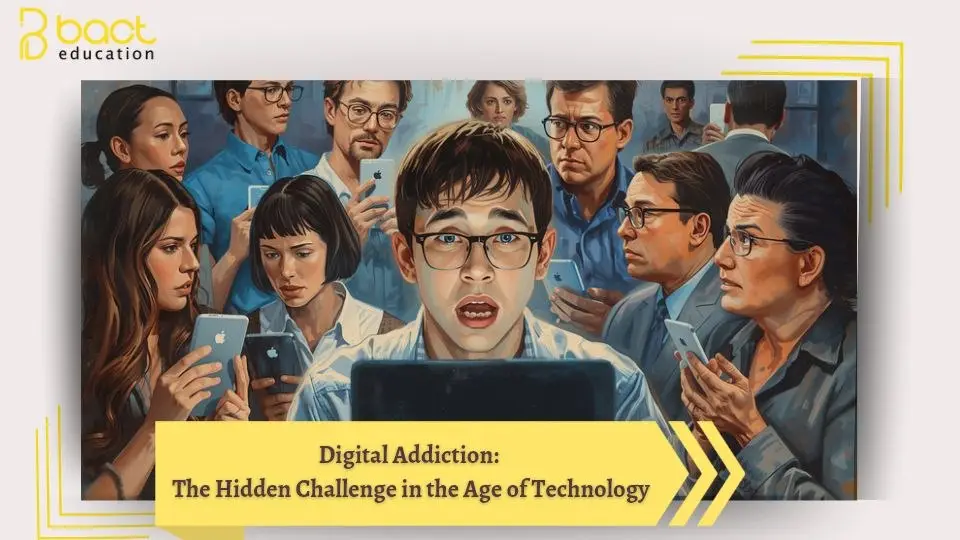
In our current era, technology has become an integral part of our daily lives. Smartphones, tablets, and social media have revolutionized the way we communicate, work, and learn. However, alongside these great benefits, a new and concerning challenge has emerged: “digital addiction.” This phenomenon, which spreads silently across all age groups, deserves our attention and deep understanding.
## What is Digital Addiction?
Digital addiction is a compulsive behavioral pattern characterized by excessive and uncontrolled use of electronic devices and digital applications, to the point where the individual becomes unable to control their usage time, leading to negative impacts on their professional, social, and psychological life.
## Forms of Digital Addiction
Digital addiction takes multiple forms, including:
– Social media addiction (Facebook, Instagram, TikTok)
– Electronic gaming addiction
– Online shopping addiction
– Video and series binge-watching addiction
– Pornographic site addiction
## Causes of Digital Addiction
The causes of digital addiction stem from interconnected factors:
– **Psychological factors**: such as feelings of loneliness, depression, anxiety, or low self-esteem
– **Social factors**: weak family relationships, peer pressure
– **Technical factors**: ease of access, attention-grabbing app design, instant reward systems
– **Biological factors**: the effect of dopamine released in the brain when interacting with applications
## Symptoms of Digital Addiction
Digital addiction can be observed through several signs:
1. Spending long hours in front of screens without noticing time passing
2. Feeling anxious and stressed when internet is unavailable
3. Neglecting daily responsibilities and duties
4. Sleep and eating disorders
5. Social isolation and withdrawal
6. Failed attempts to reduce device usage time
## Effects of Digital Addiction
### Health Effects:
– Eye strain and vision problems
– Neck and back pain
– Obesity and lack of physical activity
– Sleep disorders and insomnia
### Psychological Effects:
– Increased anxiety and depression
– Low self-esteem
– Identity disturbance and self-comparison with others
### Social Effects:
– Weakened family relationships
– Declining social skills
– Family disintegration
### Professional and Academic Effects:
– Decreased productivity
– Poor concentration
– Academic or professional failure
## How to Deal with Digital Addiction
### At the Individual Level:
1. Set specific times for device usage
2. Turn off unnecessary notifications
3. Practice sports and various hobbies
4. Strengthen real-life social relationships
5. Use screen time monitoring applications
### At the Family Level:
1. Establish clear rules for technology use at home
2. Allocate device-free time for family interaction
3. Parents serving as good role models
4. Encourage alternative family activities
### At the Community Level:
1. Raise awareness about the dangers of digital addiction
2. Create support and treatment programs
3. Enact legislation regulating technology use for children
## Conclusion
Digital addiction is not merely a luxury that can be ignored; it is a real challenge facing our contemporary societies. As the saying goes, “The poison is in the honey” – technology is a double-edged sword that can be a blessing if used wisely, or a curse if it enslaves us and we become prisoners to its screens. What is required of us all is to be aware of this challenge and strive to achieve digital balance that enables us to benefit from technology’s advantages without falling into the trap of addiction.
