
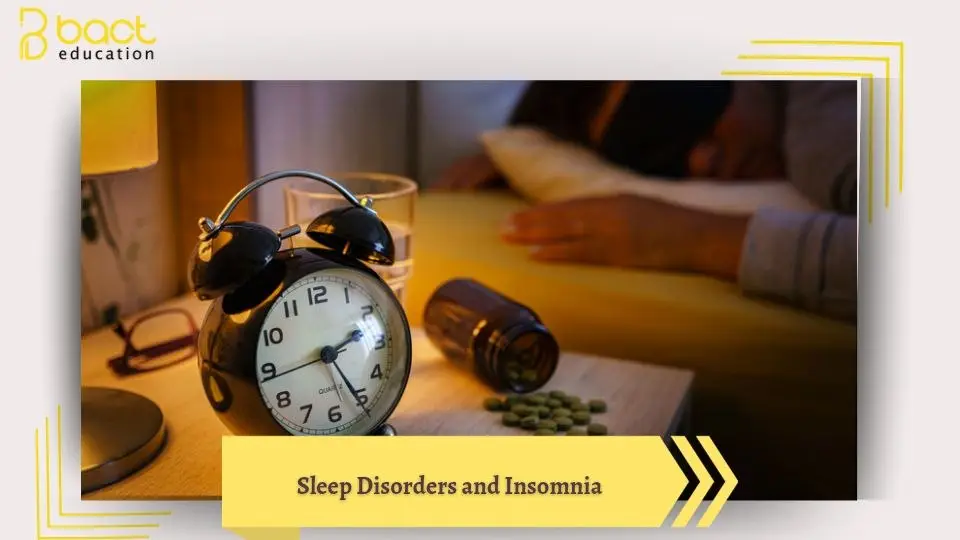
Causes and Treatment Methods**
**Introduction**
Sleep is a fundamental necessity for human physical and mental health, serving as a way to recharge the body and mind. However, millions of people worldwide suffer from sleep disorders, with insomnia being the most common. Insomnia is not merely difficulty falling asleep; it is a complex issue that affects quality of life and increases the risk of chronic diseases and mood disorders.
**What is Insomnia?**
Insomnia is a common sleep disorder characterized by:
1. **Difficulty falling asleep** (taking more than 30 minutes to fall asleep).
2. **Frequent awakenings during the night** with difficulty returning to sleep.
3. **Waking up too early** without being able to go back to sleep.
4. **Non-restorative sleep** that does not leave you feeling refreshed upon waking.
Insomnia can be acute (lasting a few days or weeks) or chronic (occurring at least three times a week for three months or longer).
**Causes of Sleep Disorders and Insomnia**
The causes of insomnia vary and include psychological, physical, and behavioral factors:
1. **Psychological Causes:** Anxiety, stress, depression, and post-traumatic stress disorder (PTSD).
2. **Behavioral and Environmental Factors:** Consuming caffeine or nicotine before bed, using electronic devices (blue light) late at night, irregular sleep schedules, and noise or excessive light in the bedroom.
3. **Medical Conditions:** Chronic pain, heart disease, acid reflux, hyperthyroidism, and sleep apnea.
4. **Medications:** Some antidepressants, blood pressure medications, stimulants, and corticosteroids.
5. **Aging:** As people age, sleep patterns change, becoming lighter and more fragmented.
**Treatment Methods for Insomnia**
Treatment for insomnia depends on identifying the underlying cause. Therapeutic strategies include:
**1. Cognitive Behavioral Therapy for Insomnia (CBT-I)**
CBT-I is considered the “gold standard” and the first-line treatment for chronic insomnia. It is more effective than sleep medications in the long term. It focuses on:
– **Stimulus Control:** Associating the bed only with sleep and sex, not with eating, worrying, or watching TV.
– **Sleep Restriction:** Reducing the time spent in bed to match the actual sleep time, thereby increasing sleep efficiency.
– **Relaxation Techniques:** Methods such as deep breathing, progressive muscle relaxation, and meditation.
– **Cognitive Restructuring:** Changing negative thoughts about sleep (e.g., “I’ll never fall asleep”) into positive, realistic ones.
**2. Improving Sleep Habits (Sleep Hygiene)**
– **Consistency:** Going to bed and waking up at the same time every day, even on weekends.
– **Optimize the Sleep Environment:** Keeping the bedroom dark, quiet, and cool.
– **Avoid Stimulants:** Refraining from caffeine, nicotine, and heavy meals 4-6 hours before bedtime.
– **Limit Naps:** If you suffer from insomnia, try to avoid daytime naps or keep them short (no more than 20-30 minutes).
**3. Pharmacological Treatment**
Sleeping medications (hypnotics) are typically used for acute or short-term cases and should be taken under medical supervision to avoid dependence or side effects. They include:
– **Prescription Hypnotics:** Such as zolpidem and eszopiclone.
– **Supplements:** Such as melatonin (especially for circadian rhythm disorders).
– **Antihistamines:** Found in allergy medications, but they are not a long-term solution.
**4. Complementary Therapies**
– **Acupuncture:** May help improve sleep quality in some individuals.
– **Yoga and Regular Exercise:** Help reduce stress and improve deep sleep, but it is best to avoid vigorous exercise right before bed.
**Conclusion**
Sleep disorders and insomnia are not just a minor inconvenience; they are a health issue that deserves diagnosis and treatment. By combining lifestyle modifications, cognitive behavioral therapy, and medication when necessary under a doctor’s supervision, the vast majority of sufferers can restore restful and healthy sleep. If you are struggling with chronic insomnia, do not hesitate to consult a sleep specialist or a psychiatrist to develop a treatment plan tailored to your condition.
