
Effective Strategies to Overcome Pathological Fear
**Introduction**
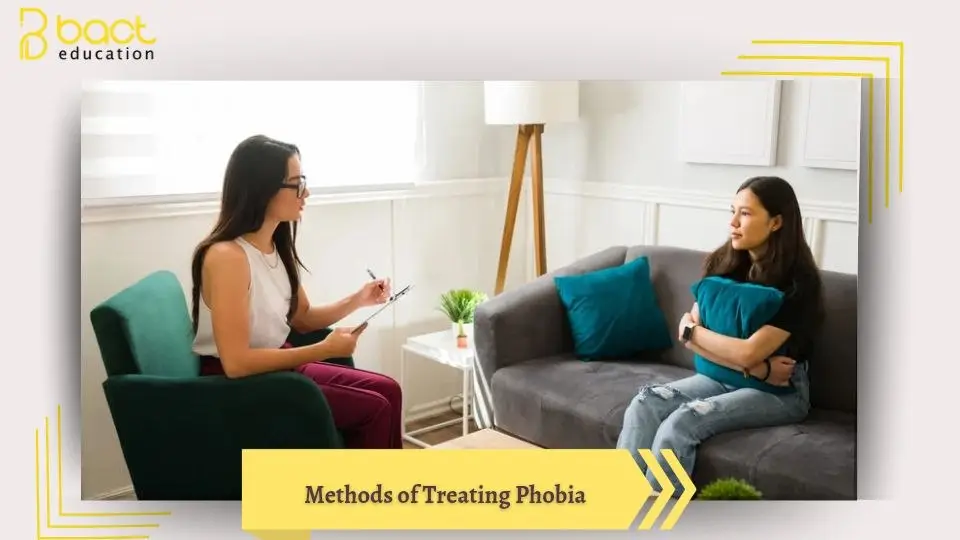
Phobia is one of the most common anxiety disorders, but the good news is that it is also one of the most treatable. Treatment methods range from psychological to pharmacological, depending on the severity, type, and impact of the phobia on the patient’s life. This article reviews the most scientifically validated therapeutic approaches.
**1. Psychological Therapy (Cognitive Behavioral Therapy)**
Cognitive Behavioral Therapy (CBT) is the cornerstone of phobia treatment and includes several key techniques:
– **Exposure Therapy**: Considered the most effective for specific phobias. It involves gradually exposing the patient to the feared stimulus in a safe, controlled environment. The patient starts with less frightening situations (e.g., imagining a spider) and progresses to more challenging ones (e.g., holding a real spider). The goal is to extinguish the fear response through habituation.
– **Cognitive Restructuring**: Helps patients identify irrational thoughts (“The spider will kill me,” “I’ll go crazy if I’m stuck in an elevator”) and replace them with realistic, rational beliefs.
– **Coping Skills Training**: Teaches relaxation techniques, deep breathing, and mindfulness to use during exposure to the phobic stimulus.
**2. Pharmacological Treatment**
Medications do not cure phobia radically but help alleviate acute symptoms, especially when facing difficult situations (e.g., flying). Options include:
– **Selective Serotonin Reuptake Inhibitors (SSRIs)** : Such as sertraline and paroxetine, effective for social phobia and agoraphobia.
– **Benzodiazepines**: Such as alprazolam, used short-term due to risk of dependence.
– **Beta-blockers**: Such as propranolol, reduce physical symptoms (rapid heartbeat, trembling) and are preferred before predictable stressful events.
**3. Virtual Reality Exposure Therapy (VRET)**
A modern and effective technique where the patient is exposed to a phobic stimulus via realistic computer simulation (e.g., flying, heights, spiders) without real danger. Particularly useful when in vivo exposure is difficult or expensive.
**4. Self-Help Techniques**
Many individuals with mild to moderate phobia can benefit from:
– Systematic desensitization by gradually exposing themselves to feared situations using a fear hierarchy.
– Smartphone applications dedicated to phobia treatment (e.g., Phobia Free).
– Support groups and sharing experiences with others who have similar fears.
**5. Complementary Therapies**
Some methods may help as an addition to main treatment, such as:
– Hypnotherapy to access unconscious roots of fear.
– Acupuncture and yoga to reduce general anxiety, though evidence for direct phobia treatment is limited.
**Important Tips During Treatment**
– Patience is essential: Phobia treatment takes time and effort, and temporary setbacks may occur.
– Consistency with exposure homework between sessions enhances outcomes.
– Avoid caffeine and stimulants as they increase anxiety symptoms.
– Seeking support from family and friends increases success rates.
**Conclusion**
Treatment for phobia is available and effective, but success depends on the patient’s willingness to gradually confront their fears. The optimal combination is often CBT (especially exposure therapy) with temporary pharmacological support when needed. Do not hesitate to consult a mental health professional to begin your journey toward recovery.
