
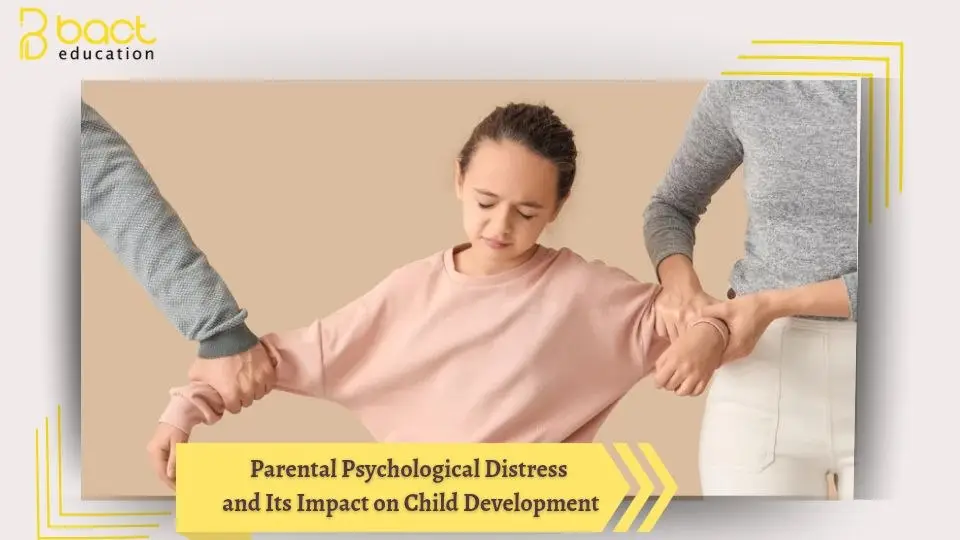
In today’s fast-paced world, parents face increasing pressures from work responsibilities, financial burdens, social expectations, and sometimes marital conflicts or health issues. This psychological distress — which may manifest as anxiety, depression, chronic exhaustion, or feelings of helplessness — does not only affect the mother or father’s well-being but extends to influence their children’s psychological, social, and cognitive development.
#### How Does Parental Distress Affect the Child?
Recent research in developmental psychology indicates that children are highly sensitive to the emotional state of their caregivers. When parents experience persistent psychological distress, it may appear in their daily behaviors such as:
– Reduced emotional responsiveness: The parent becomes less able to empathize with the child’s feelings or meet their emotional needs.
– Harsh or inconsistent parenting styles: Increased stress raises the likelihood of using physical punishment, yelling, or swinging between permissiveness and strictness.
– Decreased positive interaction: Less time for play, reading, and constructive conversation with the child.
These behaviors, in turn, lead to negative effects on child development, including:
1. **Behavioral and emotional problems**: The child may show anxiety, aggression, social withdrawal, or difficulty regulating emotions.
2. **Delayed cognitive development**: Weaknesses in attention, working memory, or academic achievement.
3. **Attachment issues**: The child becomes less secure in relationships, possibly developing avoidant or anxious attachment patterns.
4. **Physical effects**: Sleep disturbances, appetite changes, or weakened immune function.
#### Mechanisms: How Does Distress Transfer from Parent to Child?
– **Behavioral modeling**: The child learns from parents how to respond to stress.
– **Toxic stress**: Chronic exposure to parental stress disrupts the child’s own stress-response system (the HPA axis).
– **Altered neural and hormonal interactions**: For example, elevated cortisol levels in the child.
#### Tips to Support Parents and Protect Child Development
1. **Seek professional help**: Psychotherapy or family counseling can reduce parental distress.
2. **Build a social support network**: Friends, family, or support groups alleviate feelings of isolation.
3. **Practice self-care**: Adequate sleep, healthy nutrition, exercise, and relaxation techniques.
4. **Enhance positive interaction with the child**: Even a few minutes daily of undivided play or reading.
5. **Adjust expectations**: Accept that perfect parenting does not exist, and focus on progress rather than perfection.
#### Conclusion
Parental psychological distress is not a personal failure but a health challenge that can be addressed. Investing in parents’ mental health is a direct investment in their children’s future. When parents feel supported and understood, they become more capable of providing the safe, nurturing environment that allows children to grow up healthy and balanced.
