Beyond Silence: The Importance of Sign Language and the Fields That Rely On It
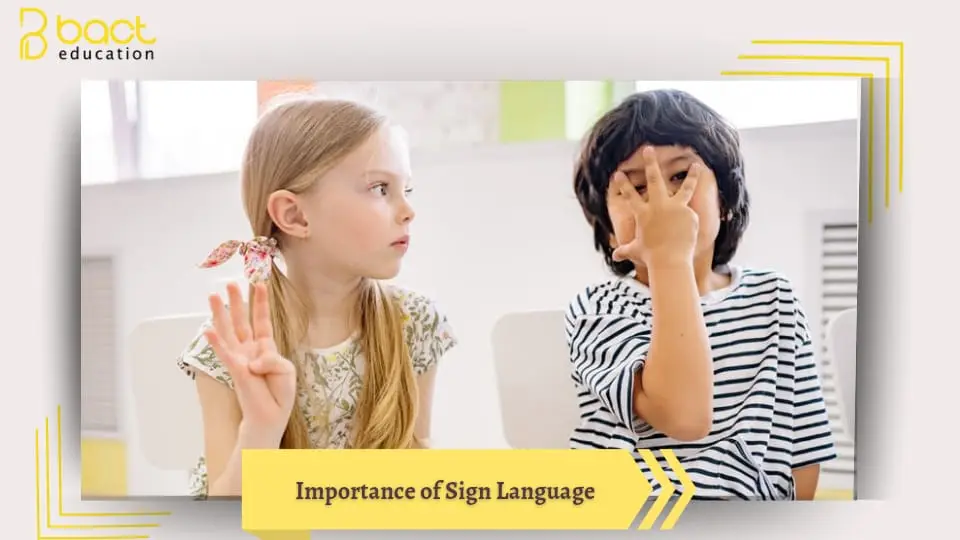
At BACT, we believe that communication is the bridge between minds. But what happens when that bridge relies on sound? For millions of Deaf and hard-of-hearing individuals worldwide, spoken language is not an option. That is where Sign Language steps in—not as a series of gestures, but as a rich, linguistic, and visual language equal to any spoken tongue.
Far from being a “niche skill,” sign language is a critical tool for human rights, cognitive development, and professional excellence. Here is why it matters, and the surprising fields where it is indispensable.
Why Sign Language is Vital
1. It Grants Access to Human Rights
Without sign language, the Deaf community is excluded from healthcare, education, legal justice, and civic participation. Sign language transforms abstract rights into tangible realities. It allows a parent to explain a symptom to a doctor, a citizen to vote independently, or a defendant to understand a courtroom.
2. It Prevents Language Deprivation
Language deprivation in early childhood leads to lifelong cognitive delays, mental health struggles, and illiteracy. When families learn sign language from birth, Deaf children develop age-appropriate vocabulary, grammar, and social skills just as hearing children do.
3. It Preserves Cultural Identity
The Deaf community is not a disability group—it is a linguistic minority with its own history, art, and humor. Sign language is the soul of that culture. Learning it is an act of respect, not pity.
4. It Benefits Everyone
“Baby sign” helps hearing infants communicate before speech. Sign language reduces noise pollution in factories, aids children with autism or Down syndrome, and helps stroke patients regain communication. It is a universal backup system for human connection.
Fields Where Sign Language is Used (Beyond Interpreting)
While sign language interpreters are the most visible professionals, many other sectors desperately need signers.
🏥 1. Healthcare & Emergency Services
-
Doctors & Nurses: Misdiagnosis is common when relying on lip-reading or notes. A signing medic can assess pain, mental health, or trauma accurately.
-
Paramedics & Police: In accidents or domestic violence situations, sign language de-escalates trauma and ensures victims are heard.
-
Dentists & Therapists: Explaining procedures visually reduces anxiety dramatically.
🎓 2. Education (Mainstream & Special Needs)
-
Teachers & Teaching Assistants: From primary school to university, educators who sign create inclusive classrooms where Deaf students learn alongside hearing peers.
-
Early Years Practitioners: Nurseries using sign language (Makaton or BSL) see fewer tantrums and faster language development in all children.
🎬 3. Media, Arts & Entertainment
-
Actors & Directors: Theatre productions with integrated sign (not just captions) are winning awards. Deaf actors bring a unique visual physicality.
-
Content Creators & Social Media Managers: Adding sign language overlays to TikTok, YouTube, or corporate videos massively expands accessibility.
-
Museum Guides & Docents: Galleries using sign-led tours unlock art history for Deaf visitors in a way audio guides cannot.
⚖️ 4. Legal & Financial Services
-
Solicitors & Barristers: Legal nuance is lost in written notes. A solicitor who can sign ensures contracts, wills, and police interviews are legally sound.
-
Bankers & Financial Advisors: Discussing mortgages or investments requires trust. Sign language removes the barrier of a third-party interpreter for sensitive data.
🏢 5. Corporate & Customer Service
-
HR Professionals: Hiring and firing, performance reviews, and workplace complaints require confidentiality. An in-house HR signer protects privacy.
-
Retail & Hospitality Staff: A waiter or hotel receptionist who knows basic greetings and emergency signs (e.g., “fire,” “help”) creates loyal Deaf customers.
🛠️ 6. Vocational & Manual Trades
-
Construction Site Supervisors: Safety signs (danger, hard hat, lift) are often visual, but complex safety briefings are not. A foreman who signs saves lives.
-
Factory & Warehouse Trainers: Noise-cancelling headphones are mandatory; sign language is the most efficient way to give real-time instructions.
🧠 7. Psychology & Social Work
-
Counsellors & Therapists: Mental health care relies on nuance. A therapist who signs can detect depression or trauma that written questionnaires miss.
-
Social Workers: Assessing child protection or elder abuse without sign language is dangerous. The client may be unable to disclose abuse in front of a stranger (interpreter).
How BACT Supports Sign Language
At BACT, we do not treat sign language as an “add-on.” We integrate it into:
-
BSL (British Sign Language) Level 1 & 2 Courses – For beginners and professionals.
-
Deaf Awareness Training – For workplaces and public services.
-
Makaton Workshops – For educators and parents of children with communication delays.
-
Inclusive Communication CPD – For interpreters looking to specialize in legal or medical settings.
Final Thought: A Language, Not a Limitation
The question is not “Why learn sign language?” but rather, “Why would we exclude anyone from conversation?” Every new sign you learn is a door you open—not just for a Deaf person, but for yourself, into a visual, expressive, and deeply human way of being.
Ready to start your journey? Explore BACT’s upcoming BSL courses and become part of an inclusive future.
