
Childhood is the most beautiful stage of life ,where an innocent childhood immediately comes to mind .It’s the stage of play,fun and joy.
At this stage, children don’t bear any responsibility or burden,they just play and have fun. In addition children ,at this stage, are characterised with spontaneity and don’t think or flatter any one.
_The Childhood is a Stage which starts from the birth until maturity .At this stage ,the child learn to speak and walk in addition to other things. At the end of this stage, the child will reach to maturity. Maturity various from one person to another , there are some children who reach maturity at twelve ,but others reach maturity at thirteen .These are considered individual differences between people .Also, at maturity stage, a person will be ready to face life and community and she/he has already grown up physically, it ‘s also known as adolescence stage.
*** At adolescence stage, the person will have learned and acquired numerous skills and qualities from the childhood stage and she/he will have trained how to deal with surrounding individuals and classmates at school. Also, most of these characteristics and skills she/he has gained during the childhood stage. So that, Childhood stage is considered very important stage ,because the person learn and acquire many skills that she/he will deal with all her/his life.
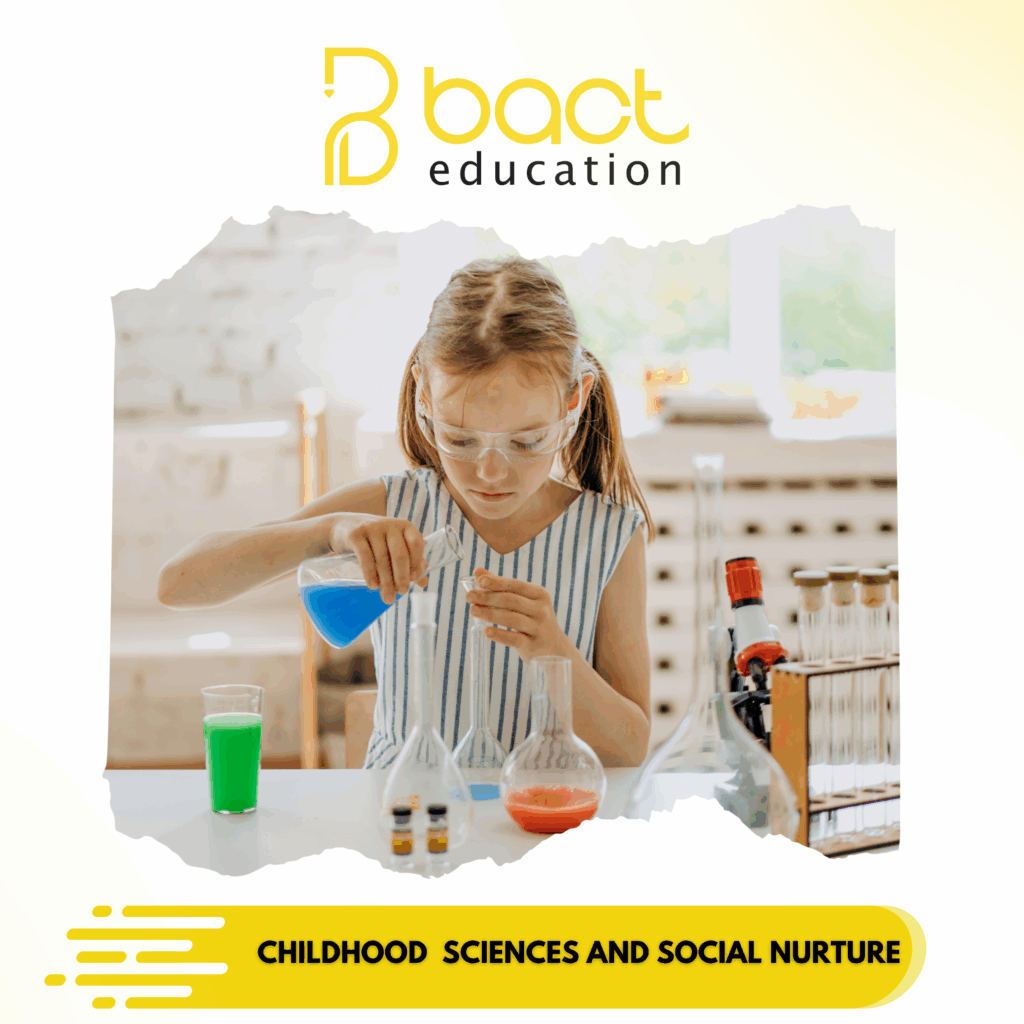
This course will enable teachers :
1.To review and explore Multiple_Intellugences fields MI when applying this theory in the classroom.
2.To put this theory of Multiple_Intellugences and into practice at Elementary,Middle and Secondary Schools Settings.
3.To apply the MI educational strategies.
4.To assess students using MI Theory Techniques .
5_To do research about MI and develop lessons and activities ,as examples of MI lessons that will be used for teachers ‘applications in the educational environment.
The Goals of this Training Course:
1.Teachers will link between Gardener’s theoretical concepts of Multiple_Intellugences Theory MI and their applications on students at schools’ environments .
2.Teachers will learn and apply MI in writing studying curricula and teaching strategies ,in addition to managing the classrooms and assessing students in the classroom environment .
3.This course will take into account the diversity of classrooms according to MI and its applications at Elementary,Middle and Secondary Schools.
4.Students’Performances will be assessed ,in addition learning, technologies and resources will be used according to MI Theory.
5.Teachers will write down their views about the application and criticism of MI.
6.Developing Lessons’ plans ,Units or the activities that clarify the applications of MI at schools.