
The Hidden Skill That Shapes the Future
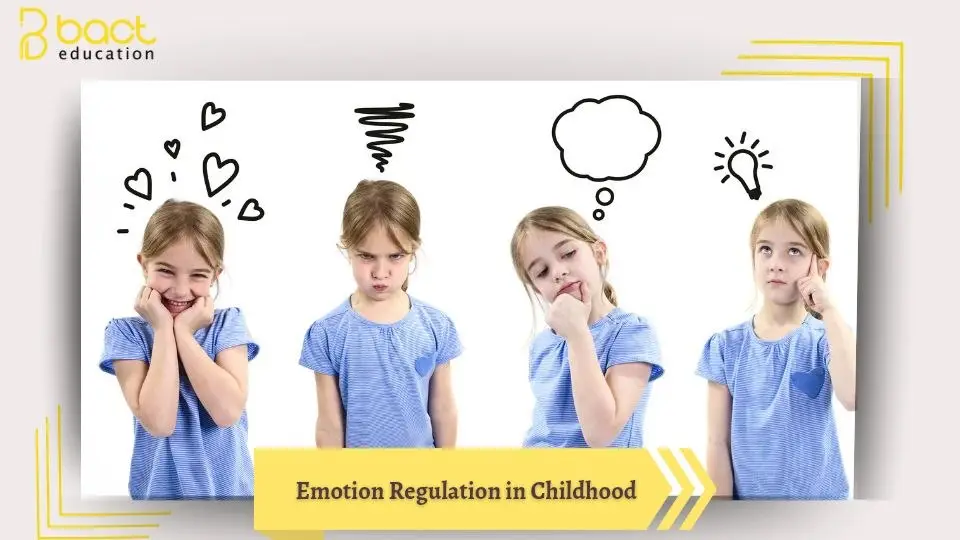
Emotion regulation is the child’s ability to manage their emotional responses — when to feel, how to express, and how to calm down after excitement, anger, or sadness. This skill does not mean suppressing or ignoring emotions, but rather understanding and accepting them, then acting in a socially appropriate manner. Emotion regulation is a cornerstone of lifelong mental health, academic success, and social relationships.
#### Why Is Emotion Regulation Important in Childhood?
Children who develop good emotion regulation skills enjoy:
– **Better peer relationships**: They know how to wait their turn, share, and express anger without aggression.
– **Higher academic achievement**: Their ability to focus and control impulses helps them in the classroom.
– **Stronger mental health**: Lower risk of anxiety, depression, and behavioral disorders.
– **Greater resilience**: They recover faster from frustrations and disappointments.
#### How Does Emotion Regulation Develop?
The development of this skill depends on a complex interaction between brain maturation and environmental experiences:
1. **Infancy (0-2 years)**: The infant relies entirely on the caregiver for soothing. Holding, a calm voice, and quick response to crying teach the child that the world is safe and that emotions can be contained.
2. **Preschool (2-5 years)**: The child begins using simple strategies such as covering their eyes when scared or moving away from a source of disturbance. They imitate adults saying “calm down” or “take a deep breath.”
3. **School age (6-12 years)**: More complex thinking emerges: reappraising the situation (“Maybe he didn’t mean to hurt me”), using positive self-talk, and turning to calming activities (drawing, sports).
4. **Adolescence**: With the development of the prefrontal cortex (the control center), strategies become more mature, but teens remain prone to impulsivity under stress.
#### Strategies to Teach Children Emotion Regulation
1. **Modeling**: When the parent gets upset, they say, “I’m angry now. I’ll take some deep breaths before I speak.” The child sees that anger is normal but there is a healthy way to handle it.
2. **Emotion labeling**: Teach the child names of feelings (happy, sad, angry, scared, frustrated). Use emotion cards or picture books.
3. **Physical calming techniques**:
– Deep breathing (inhale for 4 seconds, hold 4, exhale 4).
– Squeezing a tactile object (stress ball, soft cloth).
– A “calm-down corner” at home with sensory toys and books.
4. **Pretend play (role-play)**: “Let’s pretend we’re feeling angry — what could we do?”
5. **Identifying triggers**: Help the child know what triggers their anger (hunger, tiredness, feeling of injustice) to avoid or prepare for them.
6. **Reinforcing positive behavior**: When the child calms themselves, praise them: “I’m proud of you for using your breathing instead of yelling.”
#### Signs of Difficulty with Emotion Regulation in a Child
– Severe, prolonged temper tantrums (more than 20–30 minutes) that do not subside with usual methods.
– Difficulty returning to calm after excitement.
– Physical aggression toward others or self (hitting, biting, hair-pulling).
– Extreme withdrawal or excessive crying without clear reason.
– Destroying property when frustrated.
If these signs persist despite attempts, consulting a child psychologist is recommended.
#### Conclusion
Emotion regulation is not an innate trait but a skill that is learned, practiced, and strengthened through training. A home where feelings are talked about openly, healthy coping tools are provided, and mistakes are met with tolerance — that is the ideal laboratory for raising an emotionally balanced child. Investing in this early skill saves the child years of psychological and social suffering later in life.
